How Thick Is The Hull Of A Cruise Ship
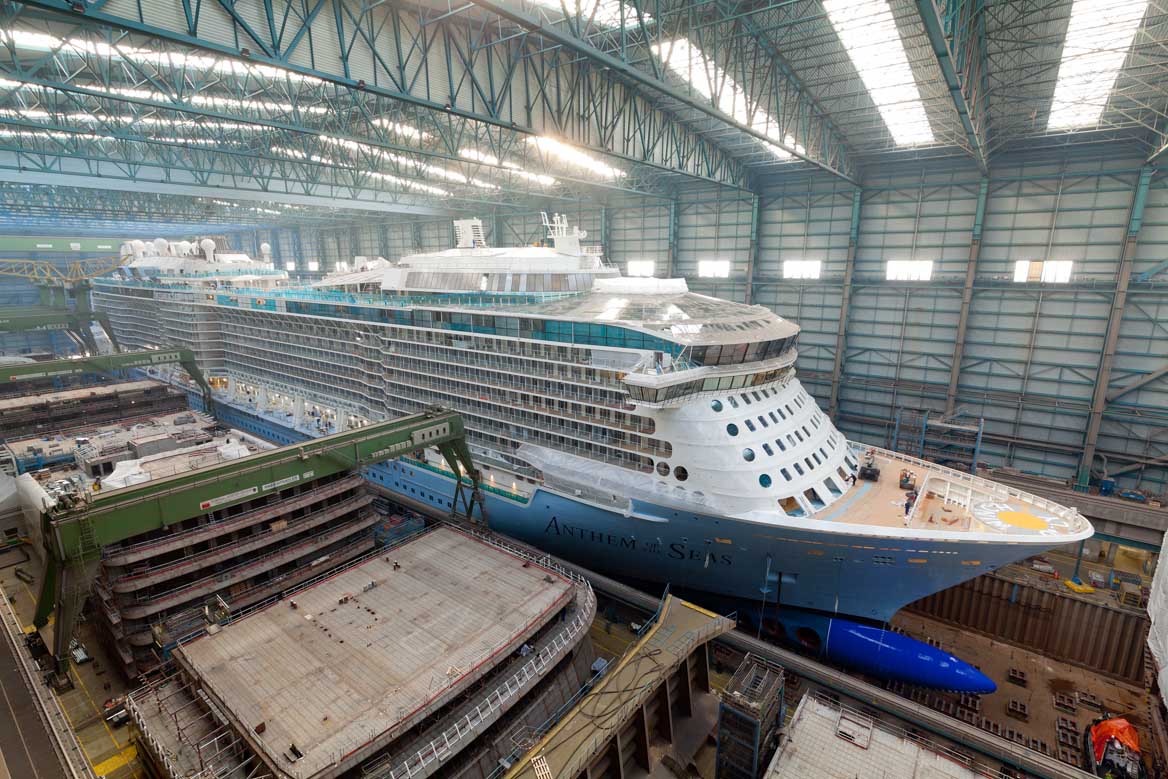
How Cruise Ships Are Builtcruise Deals Expert
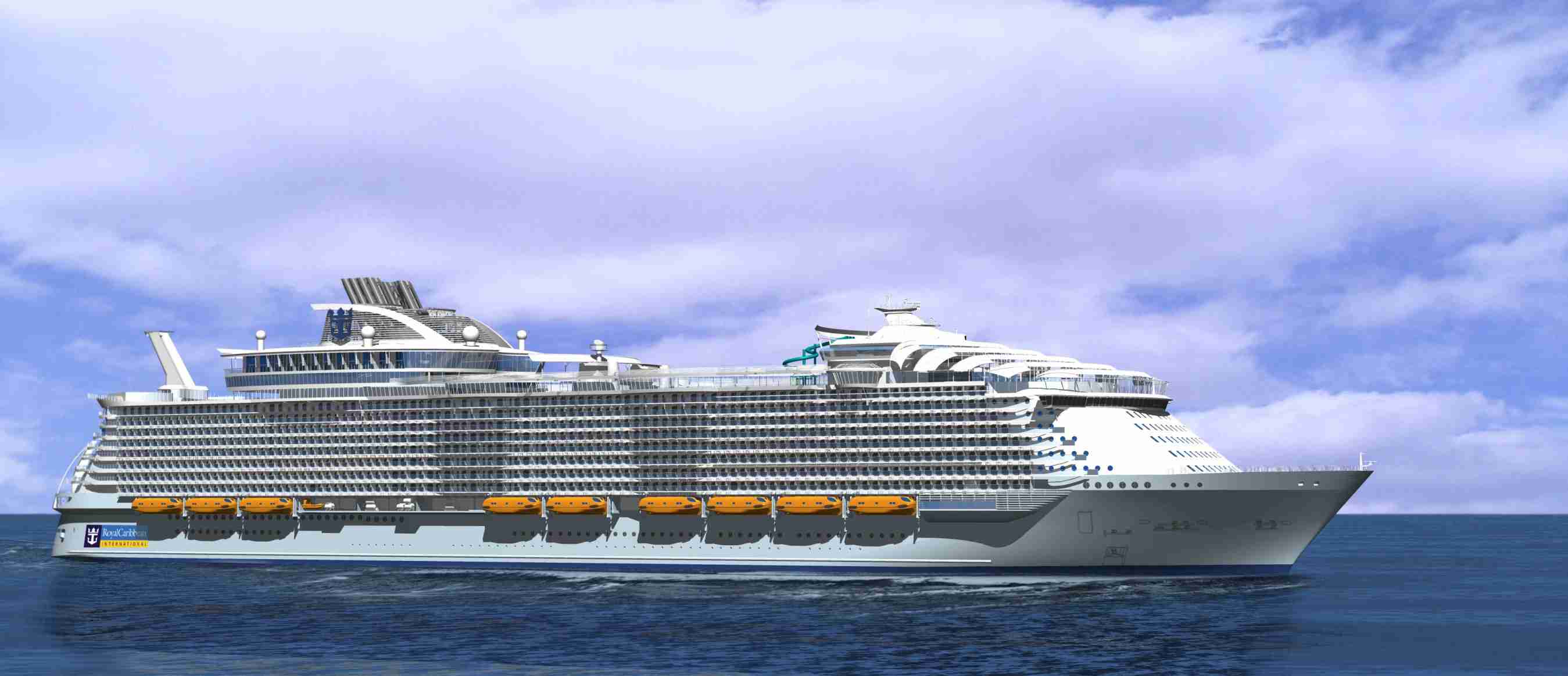
An Oasis On The Sea Industry

Video Why Cruise Ships Don T Tip Over Even In Rough Seas

293 Costa Magica Photos Free Royalty Free Stock Photos From Dreamstime

How Are Cruise Ships Built And Who Builds Them Cruise1st Uk Blog

Pin On غرفة
How thick was the Titanics hull.
How thick is the hull of a cruise ship. While the hull plate or skin of a ship does vary in thickness from typically 6mm a common scantling for yachts and even destroyers and is the thinnest plate that can be practicably worked and welded and still have some thickness reserve to cope with corrosion to say 20mm the approximate bottom thickness of tankers similar. Some ships have areas of greater thickness in higher grade steel to double as splinter protection such as the Iowa class. In most battleships the armour will be added on the top of this shell plating with a backing layer in between which might be cement wood or steel.
They have this type of hull because it is stable suitable for large ships and can be incredibly strong. I wouldnt say that cruise ships are very lightly built though a liner like the QM2 does have thicker plating and more frames than a normal cruise ship. Large oceangoing ships typically employ a deep V-shaped hull to slice through the water efficiently and smoothly.
Comes out when deck goes on. It represents an innovative idea for a small cruise ship passenger capacity 200 ice-class hull length 476 ft 145 m cruising speed 17 Kn 20 mph 31 kph aimed at the expedition cruising market. How to convert knots to mph.
How thick is the metal on a cruise ship. The hull of a ship is the most important as well as the most noticeable part of the ship. Cruise ship hull shapes vary according to the purpose of the ship.
This is the ports second ferry terminal built for PO Ferries and the worlds largest Ro-Ro passenger ships Pride of Rotterdam and Pride of Hull. The maximum speed of a cruise ship is around three knots faster than its average cruising speed. This hull is also built over a former and is very easy to build.
If you have the time you can look up the required shell plating thickness for a hypothetical cruise ship from various class rules. The two main methods that are used for hull construction are. With the rounded shape bow unlike other vessels the smoother portion of an icebreaker ship allows it to glide more easily over the thick ice coat reducing the opposing forces greatly.

Sfi Brand By Mpd Designs In 2021 Property Development Business Development Design

Health Standards How Do We Manage Risk In The New Normal

Shipbuilding Industry Issue 5 2020 By Yellow Finch Publishers Issuu

Shipbuilding Industry 2020 Issue 1 By Yellow Finch Publishers Issuu

Norwegian Joy Wikipedia

Royal Princess Emerges From Drydock With New Livery Photos Princess Cruise Ships Royal Princess Cruise Ship Princess Cruises

Pin On Born2impress Holiday Gift Guide
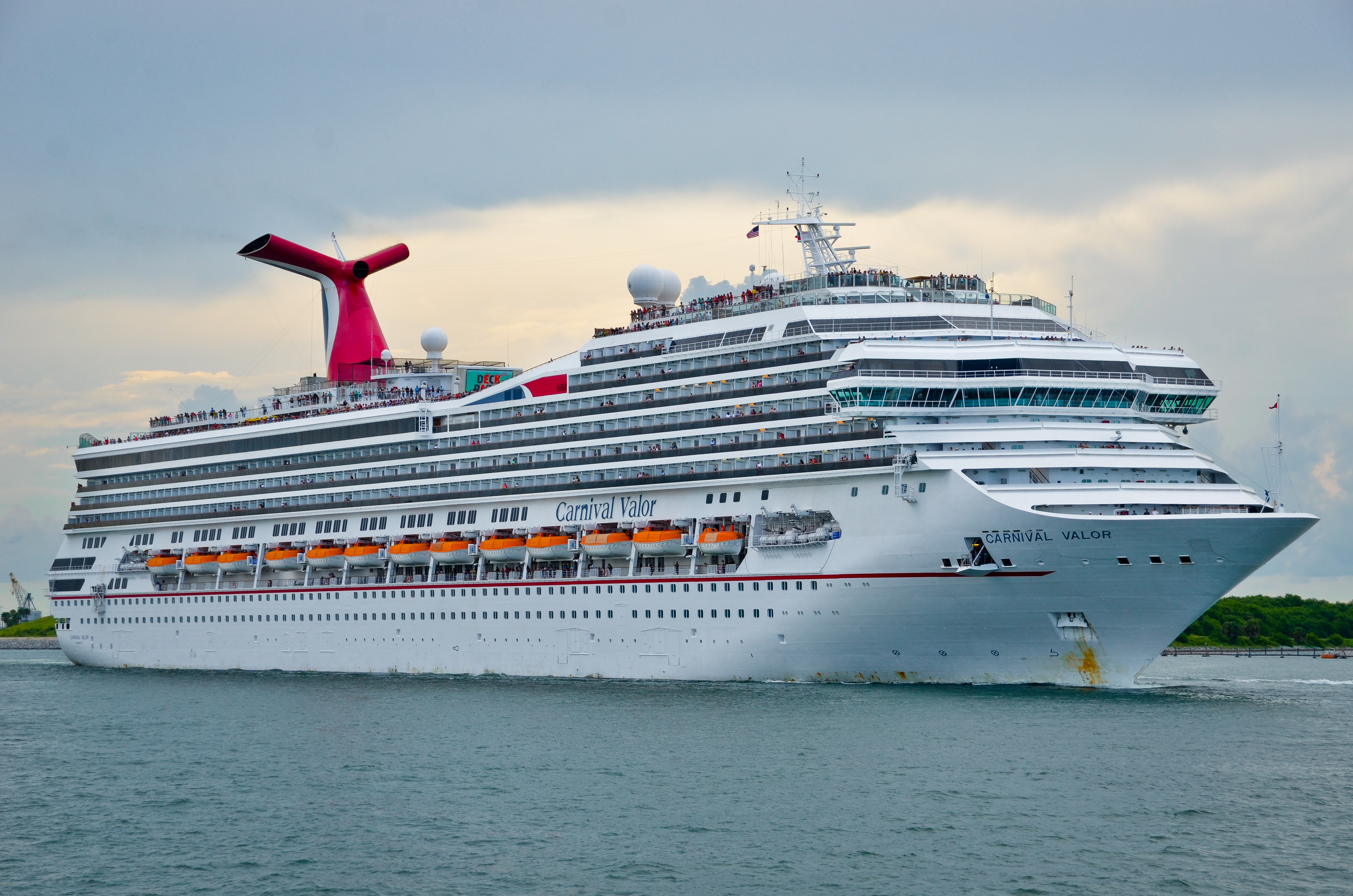
Carnival Valor Wikipedia
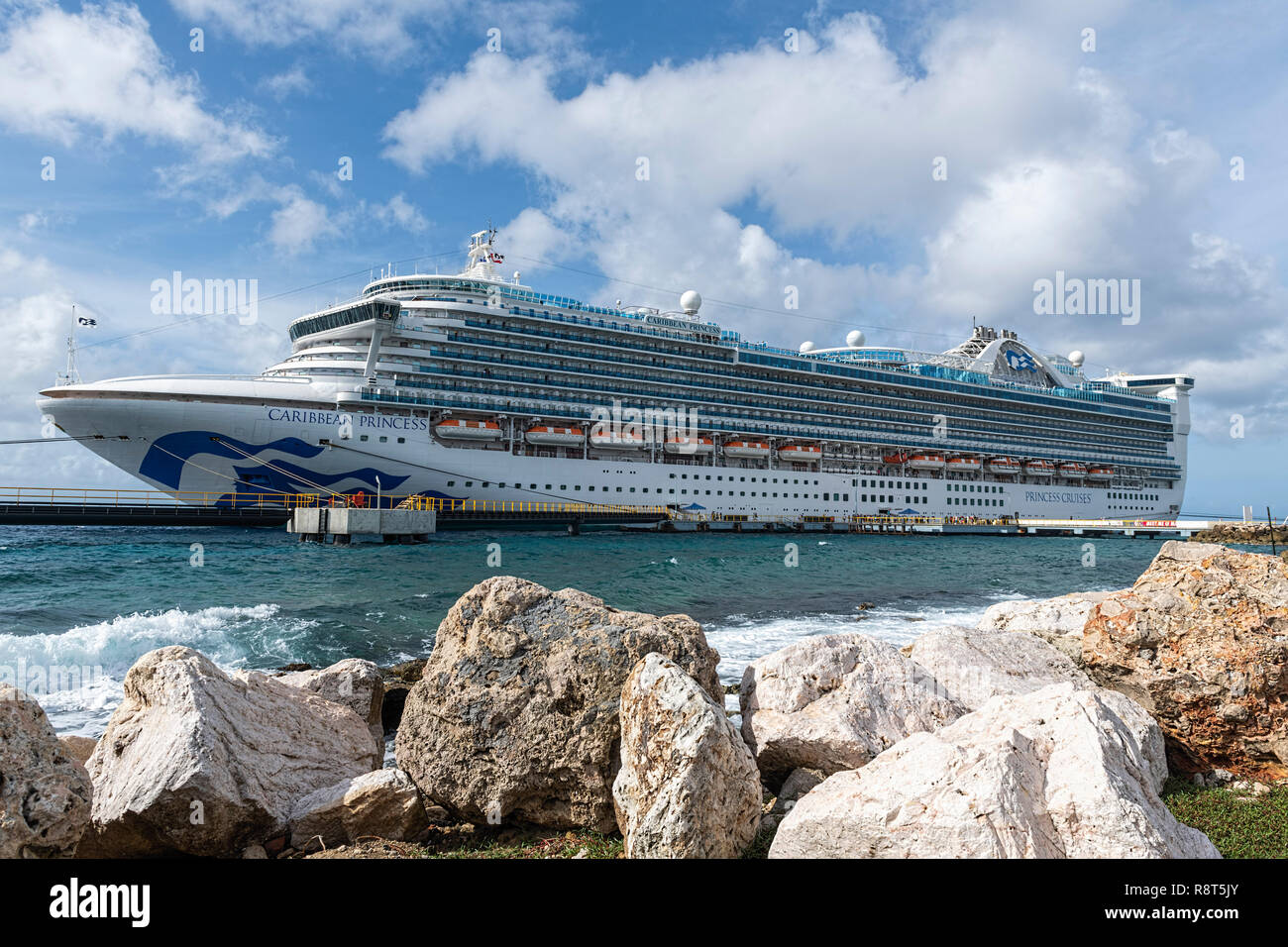
Mega Ship High Resolution Stock Photography And Images Alamy

Genting Dream Cruise Itinerary Review The Pinay Solo Backpacker Blog
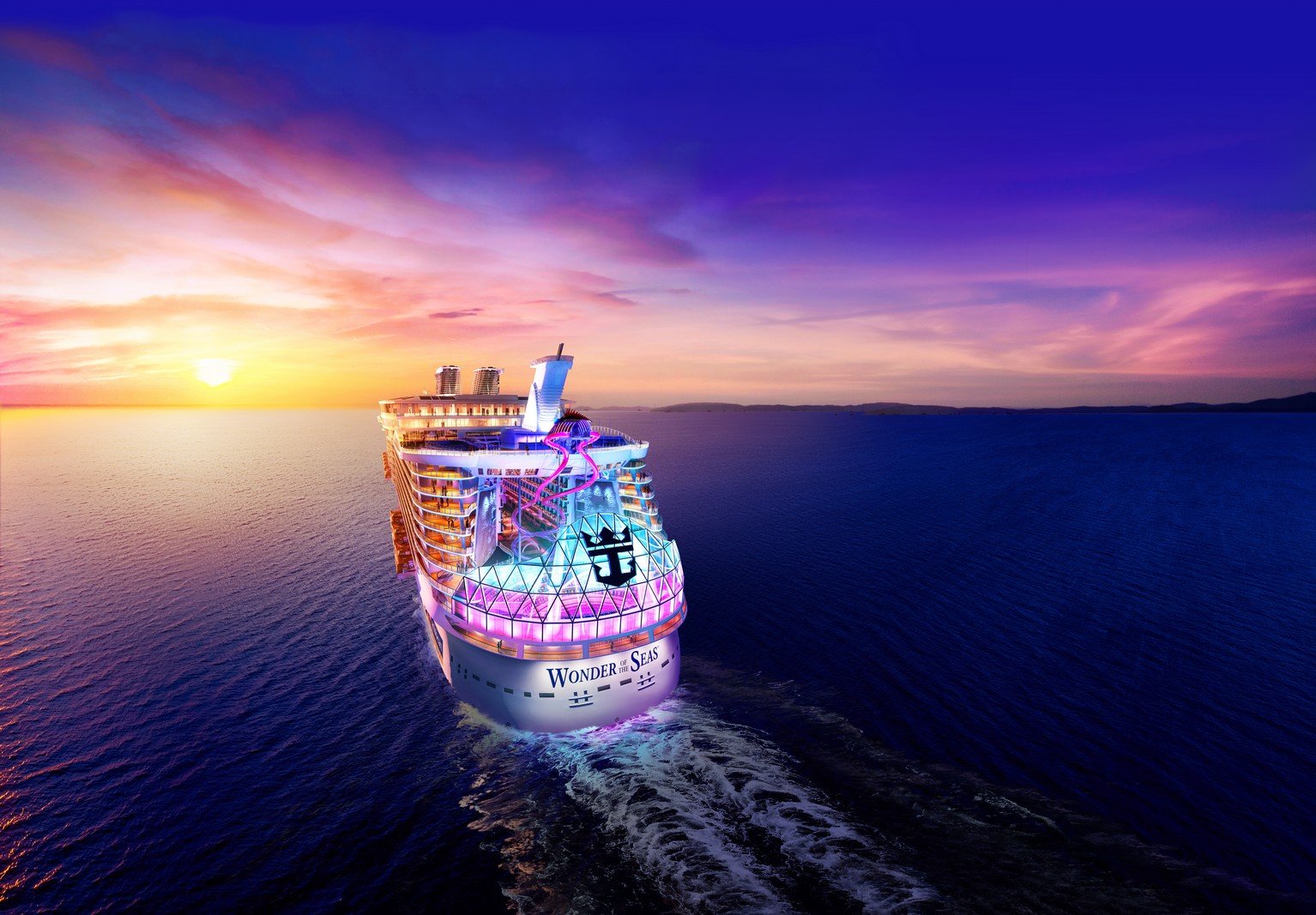
Wonder Of The Seas Royal Caribbean Blog

H H Hvac And Refrigeration For Passenger Vessels By Heinen Hopman Issuu
2
2

